


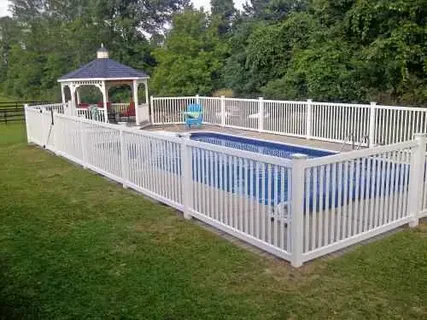
When it comes to pool safety, fencing is a crucial element. However, beyond functionality and aesthetics, it’s important to consider the environmental impact of pool fence materials. Choosing sustainable materials can reduce ecological footprints while still maintaining safety and style around your pool.
Common Pool Fencing Materials
Pool fences come in various materials, each with distinct environmental implications. The most popular options include wood, metal, glass, and vinyl.
Wood
Wood is often seen as a natural choice, especially when sourced sustainably. However, not all wood is equal; some come from deforestation practices that harm ecosystems. Additionally, wood fences require regular maintenance with chemicals that can affect local environments.
Metal
Metal fences, typically aluminum or steel, are durable and recyclable. The environmental cost lies mostly in mining and processing metals, which can consume significant energy and resources. However, metals can often be recycled at the end of their lifespan, reducing waste.
Glass
Glass pool fences provide a modern look and are usually framed with metal. Glass is recyclable, but the production process involves high energy consumption and emissions. Moreover, glass may be prone to breakage, which can contribute to environmental waste.
Vinyl
Vinyl fencing is popular due to its low maintenance, but it is made from PVC, a type of plastic derived from fossil fuels. The production and disposal of vinyl have notable environmental downsides, including toxic chemical release and non-biodegradability.
Evaluating the Environmental Impact of Pool Fencing Materials
Understanding the environmental impact of pool fencing materials requires considering production, maintenance, lifespan, and disposal.
- Production: Energy use and resource extraction differ significantly. Wood harvested sustainably may have a lower impact than mined metals or manufactured plastics.
- Maintenance: Some materials require harmful chemical treatments (like wood preservatives or vinyl cleaners) that can contaminate soil and water.
- Durability and Lifespan: Longer-lasting materials reduce the need for replacement, lowering overall environmental costs.
- Disposal: Recyclability and biodegradability affect the end-of-life environmental footprint.
Sustainable Alternatives and Best Practices
For those concerned about the environmental impact of pool fencing materials, several alternatives and strategies can help:
- Opt for certified sustainable wood, such as FSC-certified timber.
- Choose recycled metal fences to reduce the need for new mining.
- Consider eco-friendly coatings that minimize chemical use during maintenance.
- Recycle or repurpose old fencing materials whenever possible.
- Research local suppliers who prioritize sustainable production methods.
Conclusion
The environmental impact of pool fencing materials is a significant consideration in today’s eco-conscious world. By understanding how different materials affect the environment, homeowners can make informed choices that protect both their families and the planet. Whether opting for sustainably sourced wood, recycled metals, or exploring innovative eco-friendly options, prioritizing sustainability in pool fencing contributes to a healthier environment and a safer home.
